Granny flats
Out the back there is a second building: a sleepout the family once used, a garage someone turned into a studio, or a cabin you are thinking of putting up now the rules have changed. Letting it could bring in steady income, but whether you may rent it is a separate question from whether it was allowed to go up. Ray White Whakatane Property Management works through both questions with owners from Kawerau and Edgecumbe through to Matatā, Ōhope and Whakatāne itself before a second dwelling is offered to any tenant.
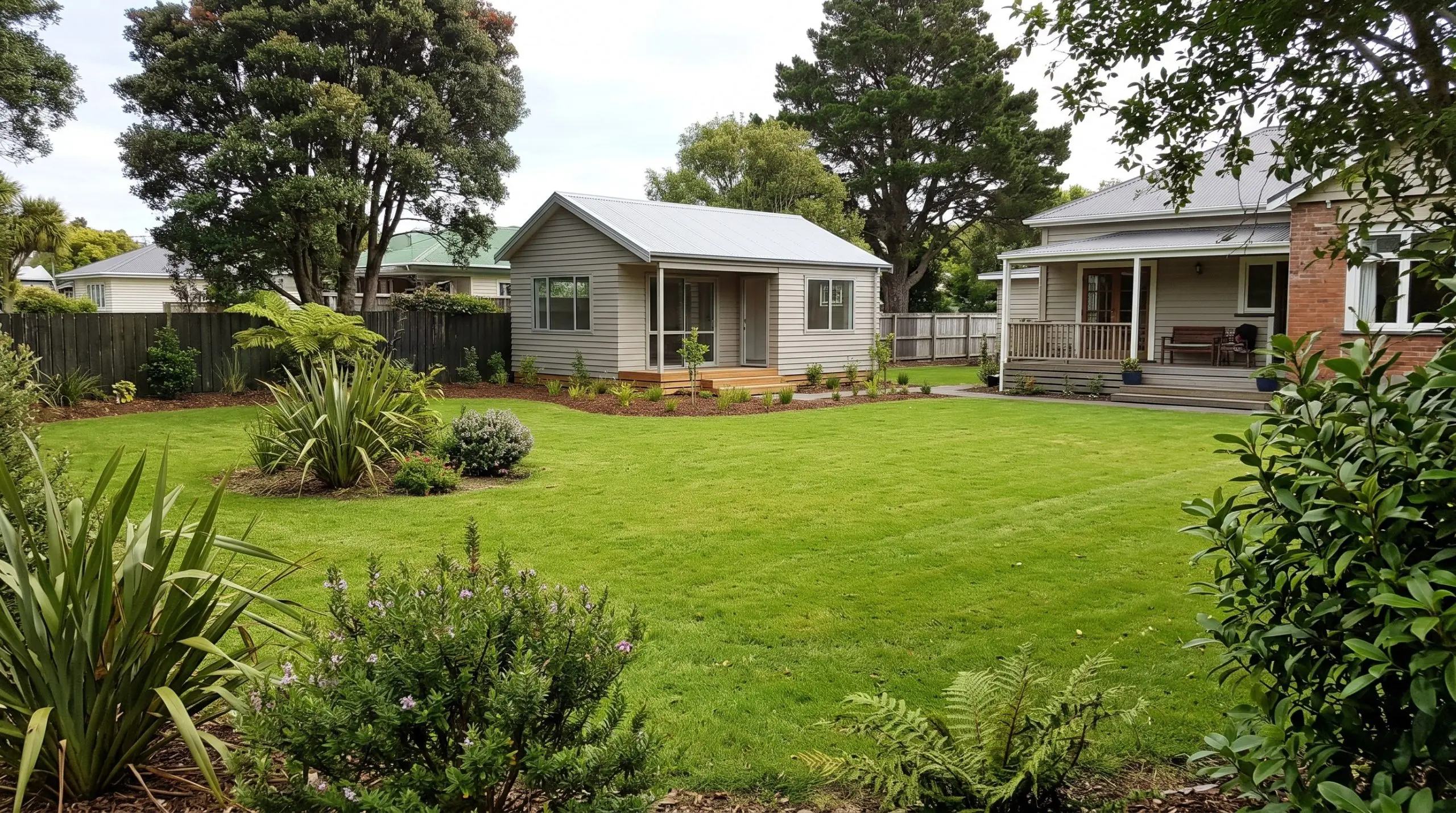
Lawful to build is not the same as lawful to rent
Every rental has to meet the Residential Tenancies Act 1986, including its legal requirements on buildings, health and safety. As the owner, you need to be sure the flat can lawfully be lived in as a home before a tenant moves in. A building that worked as a hobby room or a spare bed for visiting family can fall short once someone pays rent to live in it.
The national change on 15 January 2026
Since 15 January 2026, under national rules the Government announced that day, a small self-contained standalone granny flat of up to 70 square metres can be built without a building consent or a resource consent, as long as it meets the national standards. In short:
- it is simple in design and meets the Building Code;
- licensed building professionals build it or supervise the work;
- the council is told before work starts and again when it is finished, with a project information memorandum (PIM) obtained first.
The exemption covers new builds that meet those conditions and nothing else. Older flats, sleepouts and garage conversions still need the usual consents. Because the council does not inspect an exempt flat, it may not fully meet the Building Code, and that is a risk to understand before you rent it out.
Whakatāne District Council’s sleepout rule
Alongside the national rules, Whakatāne District Council allows one sleepout, with no kitchen and relying on the main house, of up to 65 square metres without a resource consent in most residential and rural zones. The Rural Coastal zone is not one of them, and other rules apply, such as how far the sleepout sits from the house. The council’s duty planner takes calls on (07) 306 0648, Monday to Wednesday, and is worth ringing before you build anything you plan to rent.
What we look at before a flat is let
- That the flat is separate and self-contained, with its own kitchen, bathroom, living and sleeping space.
- Fire separation, above all where the flat is attached to the house, is a converted garage, or sits above or below another home.
- The paperwork: a building consent and code compliance certificate, a certificate of acceptance, or the exemption notices with the builder’s records of work.
- Whether the council has confirmed any change of use that is needed.
- That your insurer knows two homes on the section are separately occupied.
- That the flat meets the healthy homes standards in its own right, has working smoke alarms, and has both a stovetop and an oven.
Our insurance and rates guide covers the insurance and council side in more detail.
Two flats, two different answers
Picture a garage beside the house turned into a self-contained flat. It is attached, it is not a new standalone build, and its use has probably changed, so it stops at the first hurdle: we would want the consent history and the council’s view before it is offered to anyone.
Now picture a new 55 square metre standalone flat, built by a licensed builder, with the council told before and after, and its own kitchen, bathroom, bedroom and lounge. It looks likely to qualify, yet it still needs the exemption papers and records of work kept on file, its own healthy homes assessment, smoke alarms, a stove and oven, and insurance that recognises it as a second home.
Why getting it right protects you
If a flat is rented when it should not have been, the Tenancy Tribunal can order rent to be repaid and award compensation. Calling the arrangement a flatmate agreement or a licence to occupy does not change that when the tenant has a self-contained space to themselves.
So before we take on a second dwelling, we ask the owner to sign a declaration that it was lawfully built and can lawfully be lived in, and where anything is unclear we take it to the council or a building professional first. Jacqui Southwick, a property manager with us, brings a customer service and sales background and a Level 4 property management qualification to the job, and works from Whakatāne.
A building out the back and a question about it
Tell us what sits behind the main house, how it came to be there and what papers you hold, even if they live in a shoebox in the hall cupboard. We will go through what renting it would involve and what to ask the council, in confidence and without any commitment from you. The form is below, or email whakatanepm.nz@raywhite.com.