Healthy homes
Picture your tenant coming in on a wet July evening, switching on the heat pump and having the lounge warm before tea is on the table. That is what the healthy homes standards are after. Tenancy Services sets the standards out, and since 1 July 2025 every rental in New Zealand has had to meet them, and a landlord and tenant cannot agree to set them aside, even for a friend on mates’ rates.
At Ray White Whakatane Property Management we check rentals against these standards for landlords from Matatā and Edgecumbe through to Whakatāne, Ōhope and Kawerau, and we would rather you knew what we look for before we arrive. Most of it can be seen in one unhurried walk through the house, with a torch for the ceiling hatch.
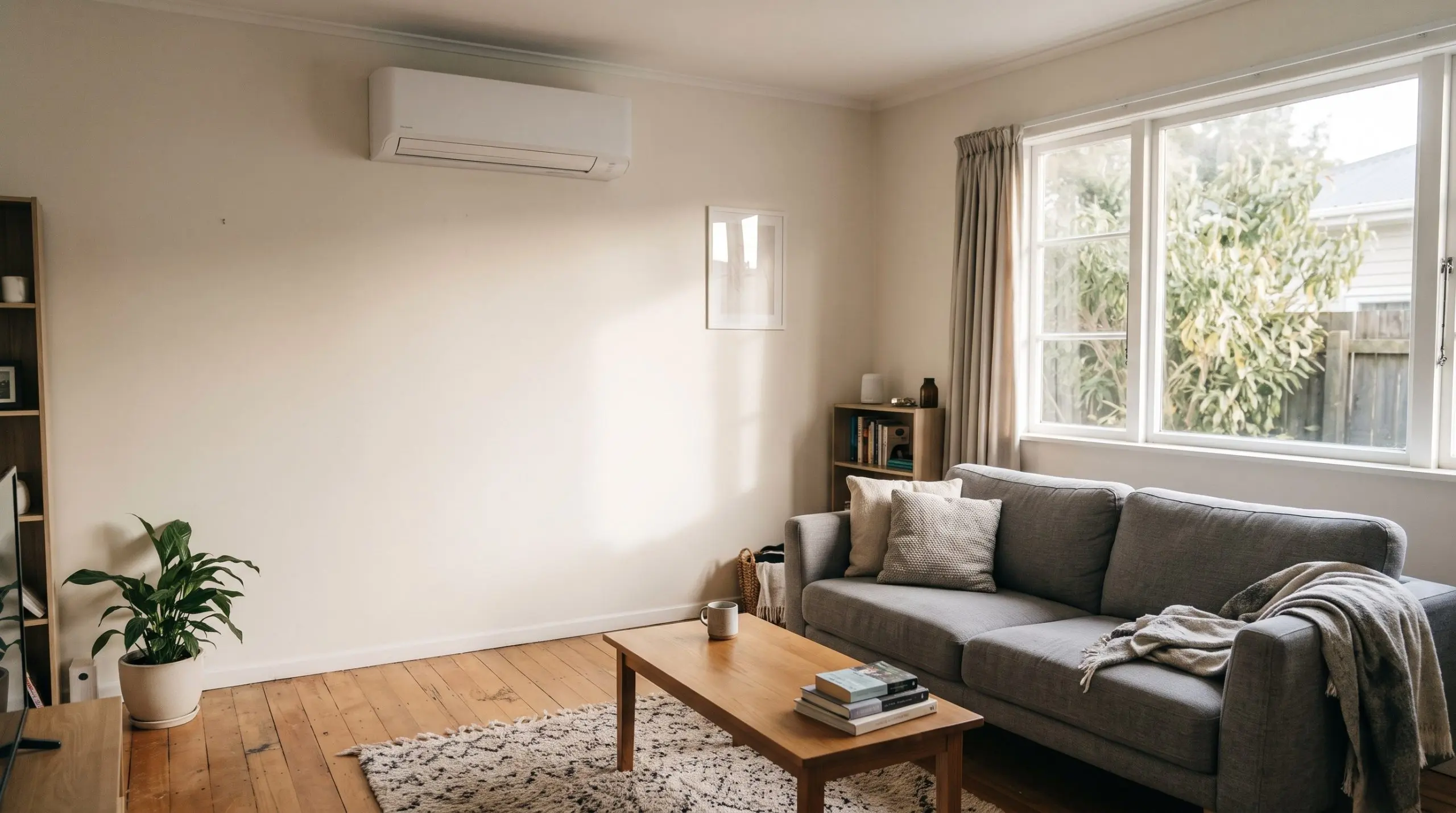
The five healthy homes standards in a Whakatāne rental
Heat for the main living room
The living room needs one or more fixed heaters that can heat it directly, each one at least 1.5 kW. Open fires and unflued heaters do not count. A heat pump or electric heater needs a thermostat. How much heat a room needs depends on its size, its windows and how well it is insulated, so the answer for a sunny open plan lounge in town will differ from a villa front room.
Insulation in the ceiling and under the floor
Ceiling and underfloor insulation is compulsory in every rental home, wherever it can be installed. Batts that have slumped, gone damp or been pushed aside by an electrician over the years are worth a look, so we put our head up through the hatch rather than take the old paperwork on trust.
Ventilation in the rooms people live in
Living areas and bedrooms need windows or doors that open, adding up to at least 5% of the room’s floor area. Kitchens and bathrooms also need an extractor fan that vents to the outside, not into the ceiling space.
Moisture and drainage
Whakatāne is one of the sunniest towns in the country by NIWA’s records, yet winter damp and condensation are still common in New Zealand rentals, which is a big part of what the healthy homes standards set out to fix. Gutters, downpipes and drains need to carry water away from the house. Where the subfloor is enclosed, the ground underneath needs a moisture barrier. A house on piles with boards or cladding closing in the base can fall into that group, so lifting the access hatch and having a look is part of the check.
Draught stopping
Gaps and holes in walls, ceilings, windows, floors and doors that let in noticeable draughts have to be blocked. Old sash windows, worn door seals and unused chimneys are the usual places to look.
Paperwork that goes with a healthy home
Every new or renewed tenancy agreement must include a signed statement showing how the home meets the healthy homes standards, alongside the insulation statement. Leaving the healthy homes statement out can bring a penalty of up to $500. A home that falls short of the standards can lead to exemplary damages of up to $7,200, which is one more reason we keep a record of what was checked and when.
Smoke alarms are a separate rule that sits beside the standards. A rental needs working smoke alarms within 3 metres of each bedroom door, or in each room where someone sleeps, and at least one on every level. Any new or replacement alarm has to be photoelectric, and either hard-wired or fitted with a battery that lasts 8 years, and they are checked at the start of each tenancy.
How Jacqui works through it with you
Jacqui Southwick counts herself a Bay of Plenty local, works from Whakatāne and came to property management from customer service, adding a Level 4 qualification along the way. She is dedicated to clear communication, so after a check you will know which standard each job belongs to and why it matters for your tenant.
When we look over a home we go room by room, note what already meets each standard and what needs work, and give you options from tradespeople we trust. Some fixes are a Saturday job with a tube of sealant. Others, such as a new heat pump or a moisture barrier, are worth booking well before winter and before a new tenancy begins. If the home is being let for the first time, our guide to getting ready to rent covers the rest of the list, and our service explains how full management, letting only and inspections differ.
Healthy homes questions about your own rental
Every house has its quirks: the back bedroom that never quite warms up, the bathroom fan that gave up a few winters ago. Describe your home in the form below and we will go through which standards it already meets and what, if anything, still needs doing. Asking is free and leaves every decision with you. You can also email whakatanepm.nz@raywhite.com.